TrendsJuly 30, 2026· 6 min read
4 ways technology is reshaping the cold chain
Cheap sensors, networks that don't need store infrastructure, energy as a health indicator and compliance as a by-product. The four shifts redrawing refrigeration operations.
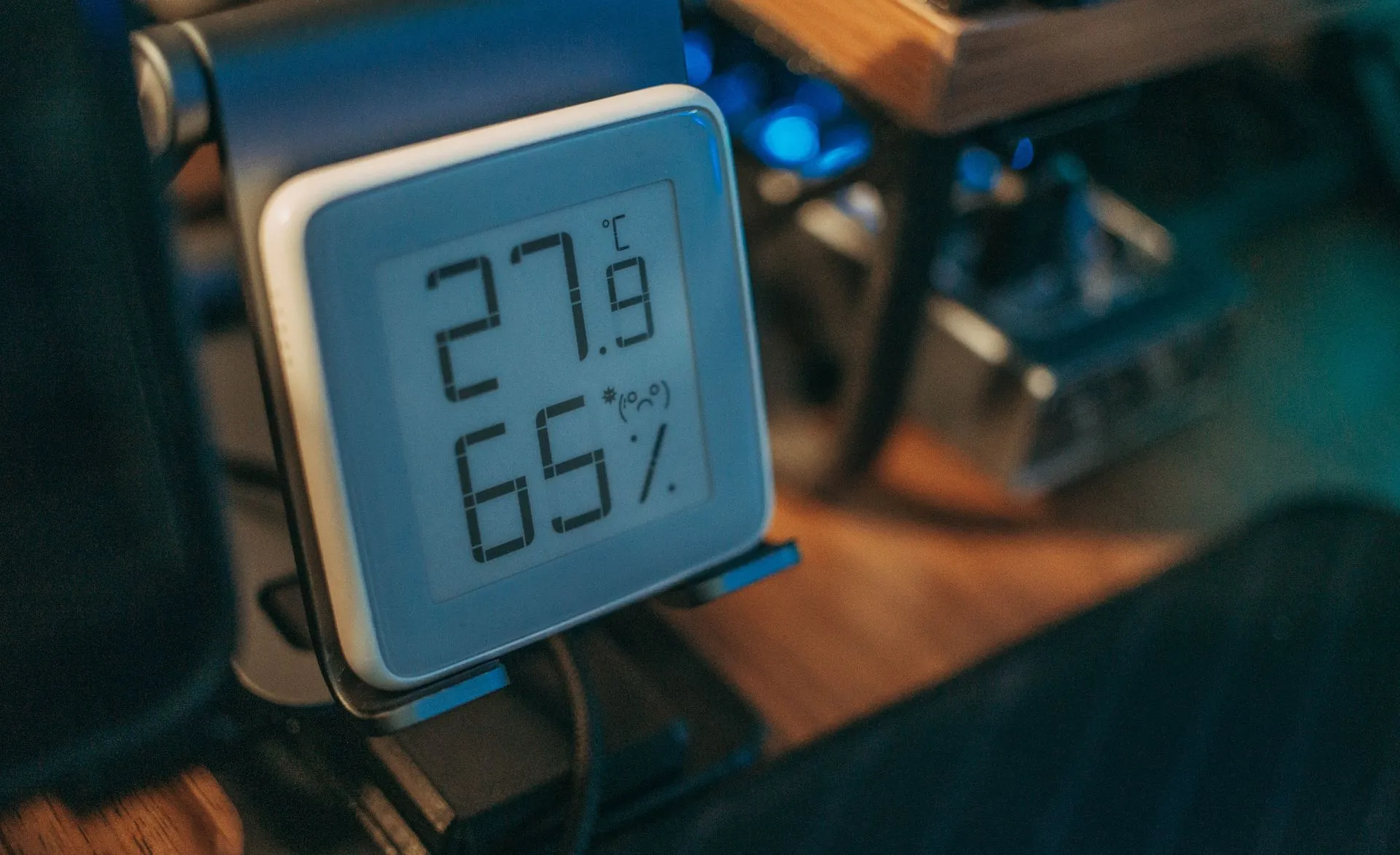
Cold monitoring has existed for decades. What changed in recent years isn’t the idea — it’s the price, the reach and what you can extract from the data. Four concrete shifts are redrawing how a refrigeration operation works.
1. The sensor stopped being the expensive part
For a long time, monitoring a freezer cost more than the freezer justified. An imported industrial data logger, with a calibration certificate and proprietary communications, cost the equivalent of several months of avoided loss — which meant the maths only closed for pharma and large-scale manufacturing.
The convergence of microcontrollers with integrated radio, accurate digital temperature sensors and lithium batteries pushed that floor down. It is now possible to design a single board that becomes a transmitter or a receiver depending on what gets soldered onto it, and to distribute dozens of them across a store for the price of one imported unit.
The practical effect is coverage. When the sensor is cheap, you don’t monitor only the critical cold room — you monitor the deli counter, the frozen island, the stockroom freezer and the staff room chiller. And it is precisely in the “less important” assets that the loss nobody accounts for tends to hide.
2. The network stopped depending on store infrastructure
Installing connected sensors always ran into an annoying obstacle: corporate Wi-Fi. Passwords that rotate, captive portals, separate VLANs, cold room areas with metal walls that kill signal, and an IT team that — reasonably — doesn’t want dozens of new devices on the store network.
Peer-to-peer protocols such as ESP-NOW changed that. Sensors talk directly to each other and to the receiver by MAC address, with no SSID, no password and no dependency on store infrastructure. Network layers are simplified, power consumption collapses — which is what makes years of battery life possible — and range reaches hundreds of metres in open field.
Only the receiver needs real connectivity. One network point per area instead of dozens of devices fighting for Wi-Fi.
3. Energy became a health indicator, not just a bill
Measuring current and voltage alongside temperature sounds like a detail. It is the most underrated shift in perspective of recent years.
Refrigeration typically accounts for around 40% of a supermarket’s power bill. That alone would justify measuring. But the bigger value isn’t the saving — it’s the diagnosis.
Electrical consumption is the signature of how hard equipment is working. A door left ajar shows up as elevated consumption before it shows up as an out-of-range temperature. An icing evaporator shows up as longer cycles. A worn compressor shows up as higher inrush current. Equipment switched off by mistake shows up as zero current — and that is, by a comfortable margin, the silliest and most expensive failure there is.
When the same module meters the outlet, it can also switch it. The sensor becomes a smart switch, and the operation gains the ability to power down remotely with a record of who authorised it.
4. Compliance stopped being a project and became a by-product
Temperature logging is a regulatory obligation for anyone handling food or medicine. Historically, meeting that obligation was a separate project: forms, filing, monthly checks and a scramble whenever inspectors appeared.
With continuous logging, a real-time clock and an audit trail, compliance stops being an activity and becomes a by-product of monitoring. The report exists because the data exists. Thermal excursions are already flagged, justifications are already attached, and history cannot be edited retroactively.
The time saved is significant — we have seen audits drop from two days to one afternoon. But the real gain is trust: the data you show the inspector is the same data your team uses daily, not a version prepared for the occasion.
What comes next
Two fronts look inevitable over the next few years.
The first is integration with management systems and AI agents. Telemetry that only lives in its own dashboard has limited value. When cold data talks to the ERP, to the maintenance system and to assistants operating through an API, the work order starts appearing on its own, in the right place.
The second is indoor location. Using signal strength between transmitters and receivers to estimate where each asset physically sits solves a banal, persistent problem: working out which one is actually “freezer 14” when the alarm goes off.
None of these shifts is spectacular in isolation. Together they turn a refrigeration operation from a manual watch routine into a system that explains itself.
Want to see how this translates to your operation? Talk to a specialist.
- #trends
- #IoT
- #energy efficiency