FundamentalsAugust 28, 2026· 7 min read
What cold chain monitoring is (and why a spreadsheet doesn't count as one)
Cold chain is the unbroken run of cold that separates product from loss. Monitoring it means measuring continuously, proving the record and acting before the damage — three things a spreadsheet cannot do.

Cold chain is the uninterrupted sequence of refrigerated environments a product passes through between production and consumption. A yoghurt leaves the plant at 4 °C, rides a truck at 4 °C, gets unloaded on a dock, sits in a cold room, goes on display and finally travels home. Every link has a target temperature. One failure is enough for the product to arrive compromised — even when it looks perfect.
Cold chain monitoring is the set of practices and technologies that ensures no link leaves its range without somebody knowing. It sounds simple. In practice, it is where most operations still quietly lose money.
What a spreadsheet doesn’t solve
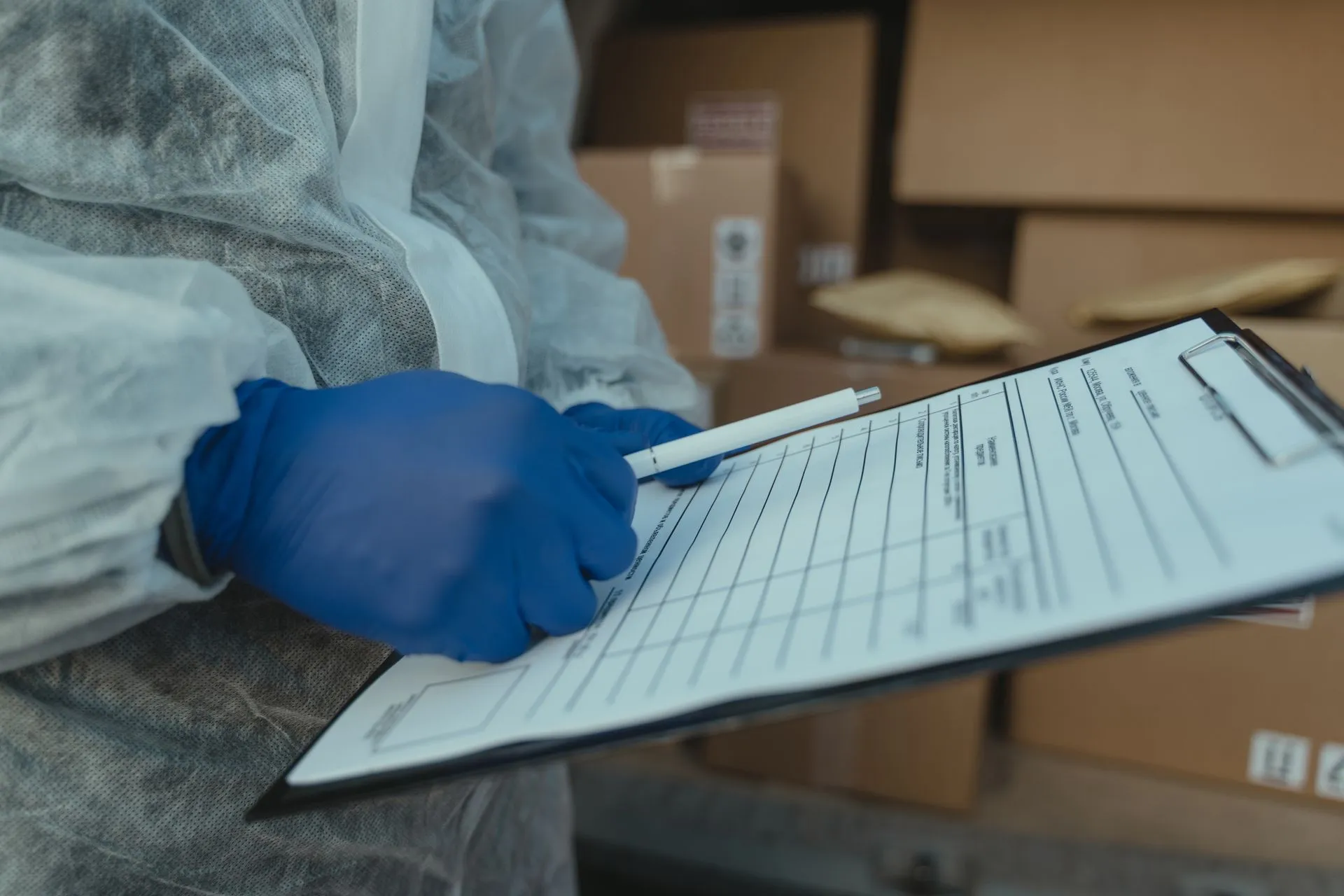
The most common way of “monitoring” in food retail is still the manual round: an operator walks by every so often, touches a thermometer to the shelf, writes the number on a form and moves on. That method has three structural holes.
Sampling, not measuring. If the round happens every two hours, you know nothing about the 119 minutes in between. Failures rarely have the courtesy to occur in the minute someone is looking.
A record without proof. A number written in pen has no trusted timestamp, doesn’t record who wrote it and can be filled in later. In an inspection, that is worth less than it looks.
No action. The spreadsheet is passive. It doesn’t wake anyone at three in the morning, doesn’t escalate to the manager and doesn’t open a work order.
The result is the pattern we see on almost every site visit: the operation discovers the problem through smell, texture or a customer complaint — never through data.
Four levels of maturity
Across dozens of visits we started classifying operations into four stages. It’s worth locating yourself before deciding the next step.
- Manual. Rounds with a thermometer and a paper form. Apparent cost zero, real cost high in rework and invisible loss.
- Automatic logging. Data loggers record continuously, but someone has to walk to the device to pull the data. Better proof, no better reaction.
- Connected monitoring. Sensors send near-real-time readings and trigger alarms. This is where loss prevention actually starts.
- Predictive. Beyond temperature, the operation reads vibration, current and thermal behaviour over time, and anticipates failure before the deviation happens.
Most food retail sits between levels 1 and 2. The jump that pays best is from 1 to 3 — and it costs less than most people assume.
What a good system measures
Temperature is the beginning, not the end. A single reading says something is wrong; a set of readings says why.
- Temperature of the refrigerated space. The primary indicator, with a range configured per asset.
- Door state. A door left ajar is the most common and cheapest cause to fix. It is also the one that vanishes from the paper record.
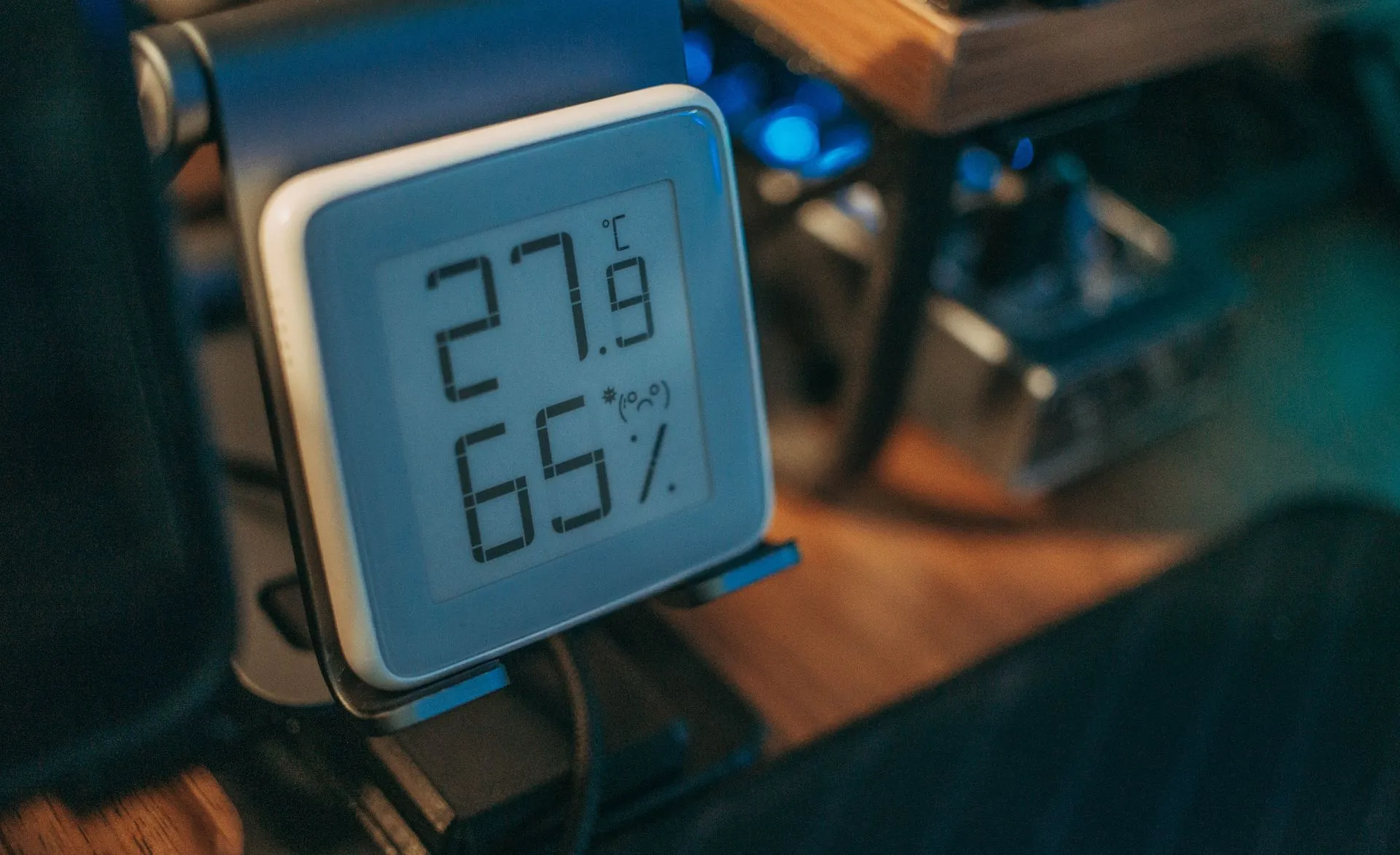
- Humidity. Helps distinguish a normal defrost from water ingress or an evaporator icing up.
- Current and voltage. Reveal whether the equipment is actually running, how much it draws and whether the compressor is working harder than it should.
- Compressor vibration. The mechanical signature that anticipates wear by weeks.
When those five signals arrive together, the system stops saying “it’s warm” and starts saying “it’s warm because the door stayed open for 22 minutes at 04:12, and the compressor compensated by drawing 30% more current”.
The alert is the means, not the end
One detail separates useful systems from ignored ones: what happens after the alarm.
An alarm nobody answers becomes noise within two weeks. A good design needs three things: a named owner per asset, an acknowledgement deadline and an automatic escalation chain. If the supervisor doesn’t acknowledge in ten minutes, it goes to the manager. If the manager doesn’t, it goes to the regional lead. And every step is recorded.
Muting needs to exist too — with a mandatory justification and a deadline. Real operations have planned maintenance, load replenishment, forced defrost. A system that doesn’t allow muting with context ends up unplugged.
The return usually comes from one incident
The practical question is always the same: is it worth it?
The maths we run with customers has four lines. What the stock in a cold room is worth. How many temperature incidents happen per year — including the ones nobody logged. How many hours a month the team spends filling and checking spreadsheets. And how much refrigeration weighs in the power bill, which in supermarkets tends to sit around 40% of the total.
In practice the system almost always pays for itself on the first avoided incident. What changes the game isn’t the monthly saving — it’s the night the compressor stops at three in the morning and someone arrives before the product thaws.
Want to know where your operation sits on that scale? Talk to a specialist — the conversation starts by mapping your assets, not selling a sensor.
- #cold chain
- #monitoring
- #fundamentals